Products
Still life and commercial work for artisans, small businesses and wineries — objects lit with intent, made to sell and to last.
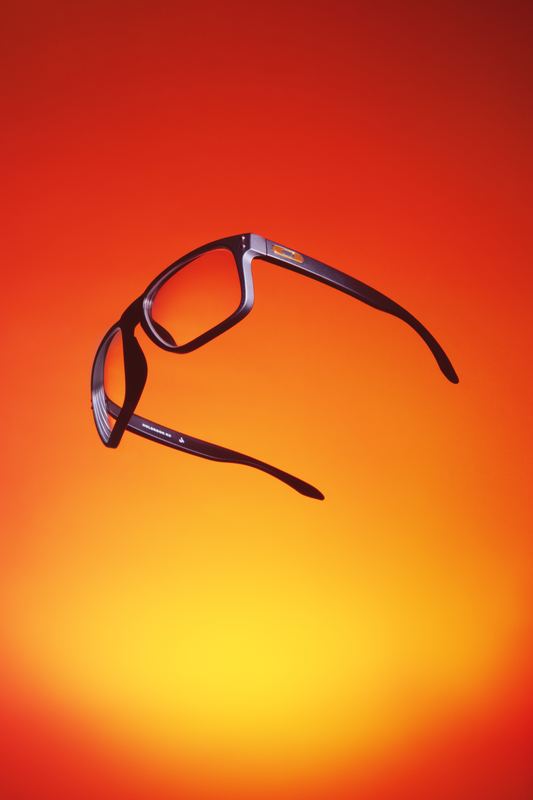
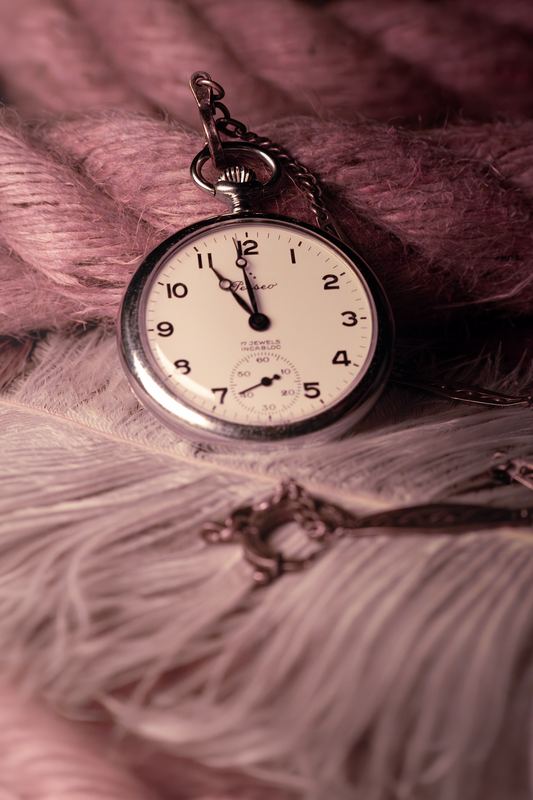
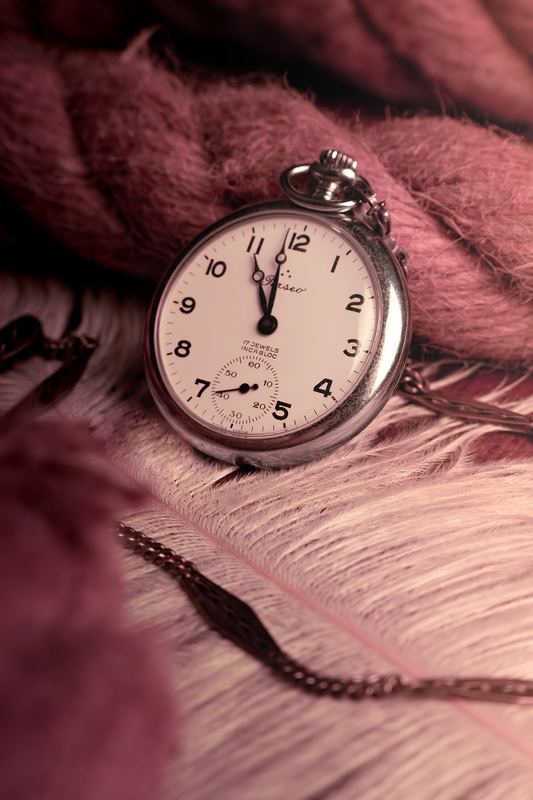
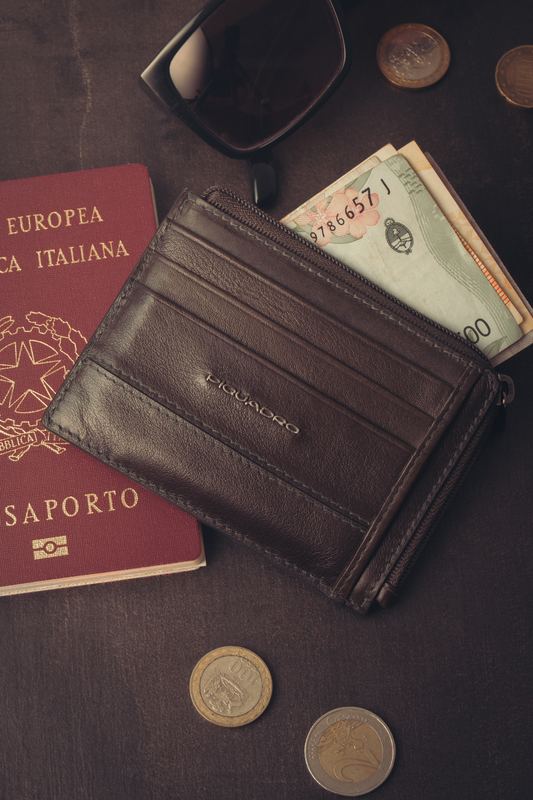
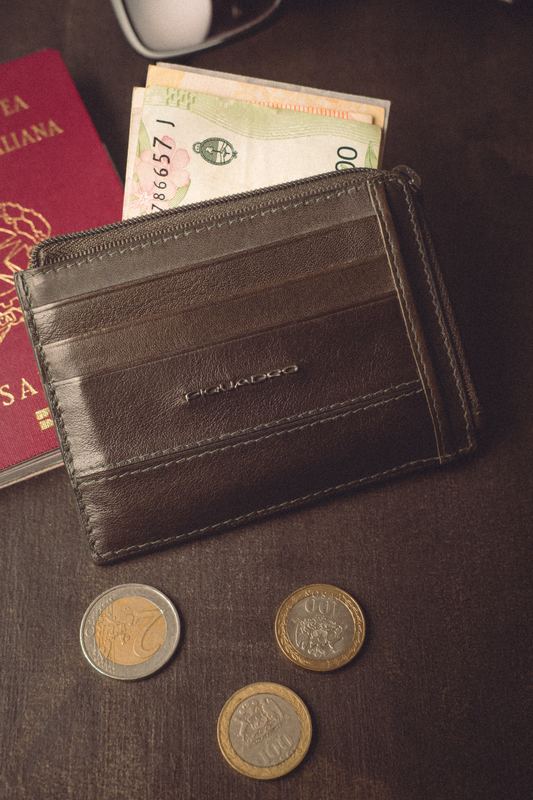
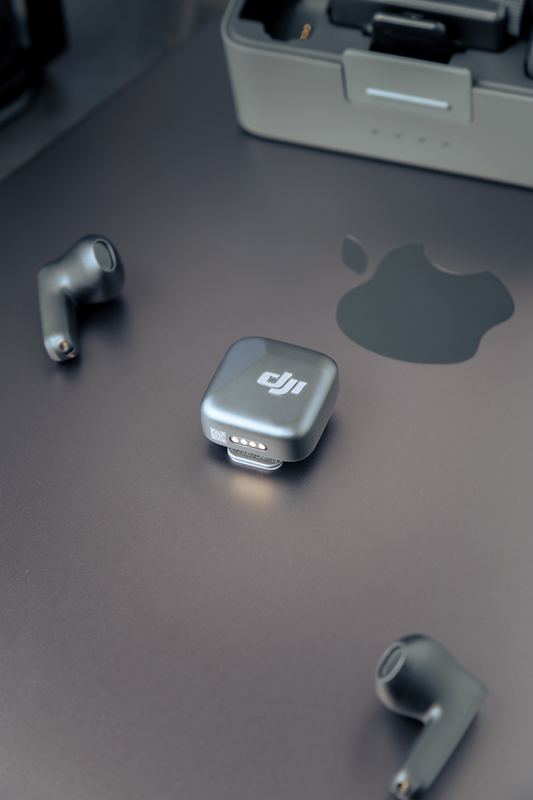
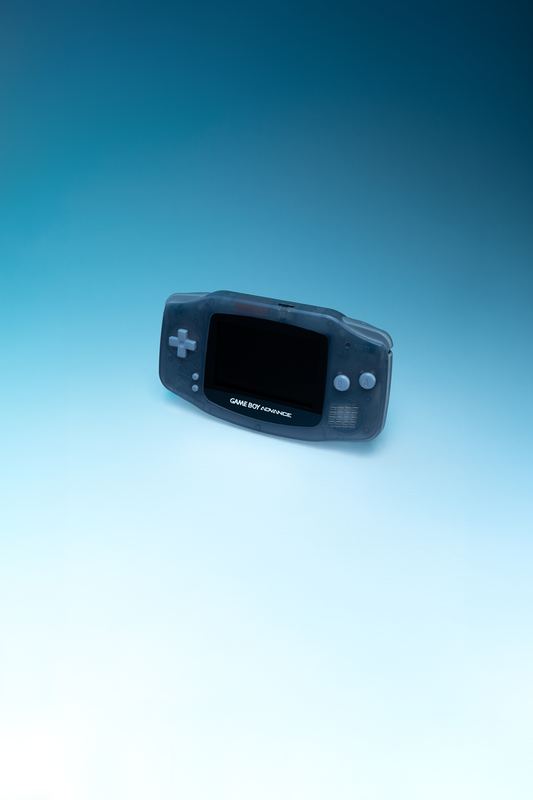
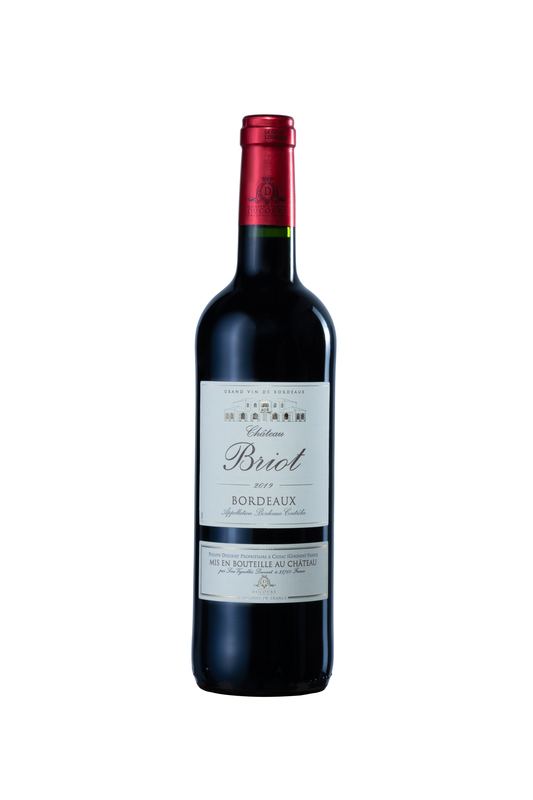
Photographs that have to sell, not just look good
A product photograph has one job: to make clear in two seconds what the object is, how it's made and why it's worth the price. Before shooting I look at where the image will end up — a product page, a printed catalogue, a post, a marketplace — because crop, background and light change completely depending on the destination.
A packshot on white and an atmospheric still life are two different jobs. You often need both, and they're best made in the same session.
Packshots and still life
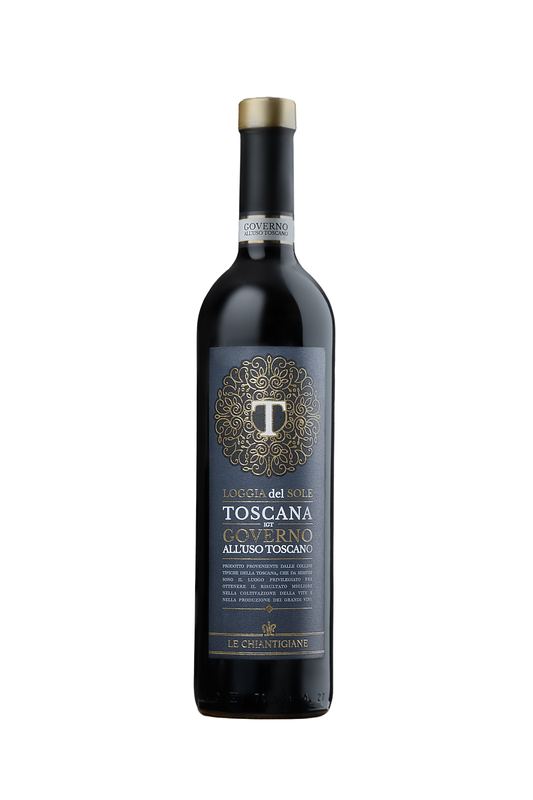
The packshot is the clean photograph: neutral background, object centred, no distractions, faithful colour. It's what marketplaces and product pages ask for, and it's more technical than creative — precision matters more than ideas.
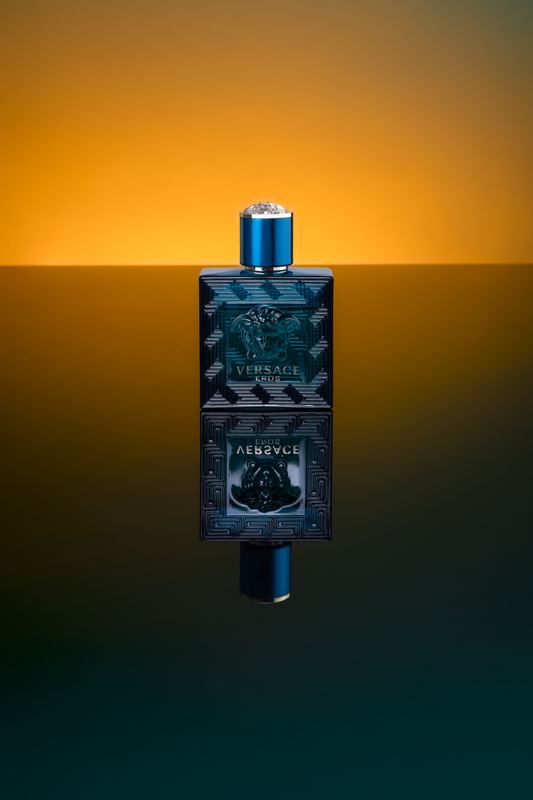
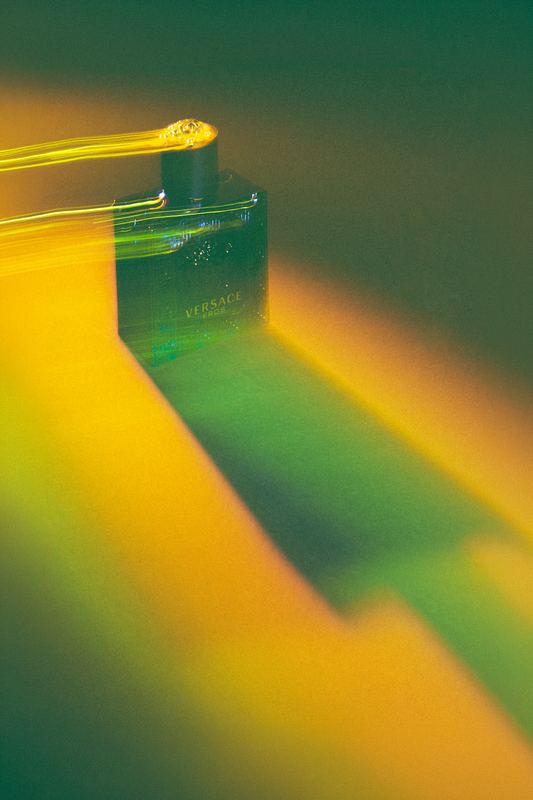
The atmospheric still life is the opposite: I build a scene. Reflections, colour gradients, materials in conversation with the object, a streak of light crossing the frame. You need it when you have to tell people what the product is, not merely show it: campaigns, home pages, social, presentations.
Wineries, makers and small businesses
With wineries the job is almost always double: the isolated bottle for the price list and the online shop, and freer images for the site and social. The label is the delicate part — it has to stay legible, straight and true in colour, because that's where the customer recognises the wine.
With makers a similar principle applies: the material has to be visible. Leather has to look like leather, metal has to have weight, fabric has to show its weave. That's a job of light more than of camera, and on a handmade object it's the difference between a photograph and a record.
How it works
You send me the products, or I come to where they are. Before shooting we agree how many images are needed and in what format, so you don't pay for photographs you'll never use. You can be there during the session or leave me to it and see the results at the end.
In post I clean backgrounds and dust, straighten, and check the colours against the real object — on a product that matters most of all, because a customer who receives a different shade from the one they saw online sends the parcel back. I deliver files optimised for the web and at high resolution for print.
When it's worth reshooting
Plenty of businesses are running on photographs taken years ago, with different packaging, or shot on a phone in the warehouse because something was needed that afternoon. They work fine until someone compares them with a competitor's. The moment to redo them is when the label or the box changes, when you open a new channel — a shop, a marketplace, a retailer asking for assets — or when you notice the images are describing a cheaper product than the one you actually sell.
You don't have to redo the whole catalogue at once. Usually we start with the ten products that sell most, see what it does, and the rest follows.
Where
I work across Tuscany. For products that can be shipped there's no distance limit: the object arrives, gets photographed, and goes back.